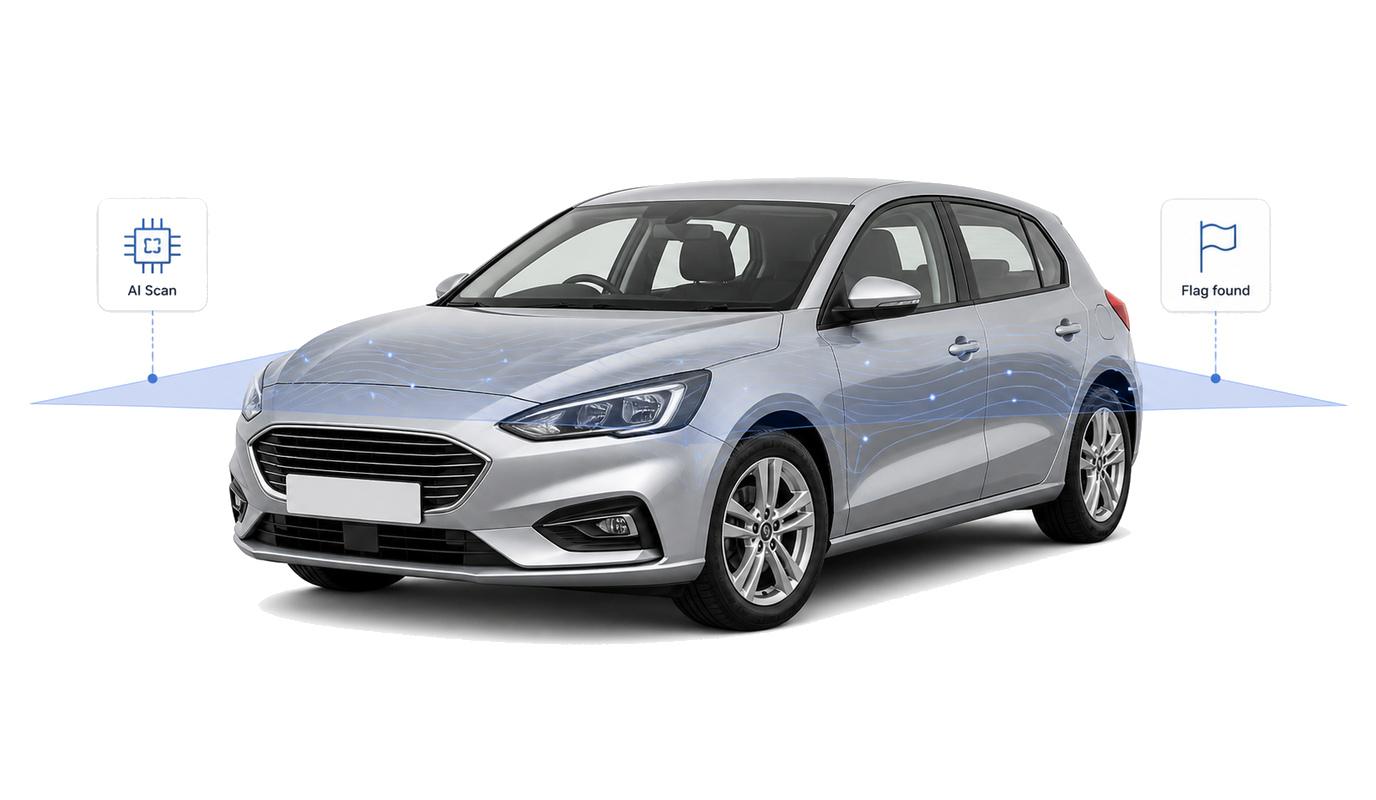
Step 01
Enter your registration
Every UK car has a unique registration on its number plate or V5C logbook. Takes seconds to type in.

Cat A, B, S and N insurance write-offs checked against national insurer records. Results in 60 seconds. Free DVLA tools can't show write-off history.
WE CHECK:
and much more
An undisclosed write-off can mean dangerous repairs, voided insurance and a car worth far less than you paid.
The full insurance write-off category, from cosmetic damage (Cat N) to structural damage (Cat S) to unsafe for the road (Cat A and B).
Checked against UK insurer databases. If any insurer has ever declared this vehicle a write-off, it shows on your report.
DVLA free checks don't show write-off status. Only accredited providers with insurance database access can confirm write-off history.
Cat A and Cat B vehicles must be crushed and are unsafe to drive. Cat S cars need structural repair before returning to the road. Know before you buy.
How Carhealth compares to traditional vehicle check services.
Carhealth Report
from
£19.99
Standard checks
Only with Carhealth
Typical basic check
up to £39.99
Single-check market prices, checked 23 September 2026
Standard checks
Not included
From registration plate to full report, in under a minute.
Every UK car has a unique registration on its number plate or V5C logbook. Takes seconds to type in.
We pull from DVLA, DVSA, police databases, insurance records, auction houses, and more, all at once.
A comprehensive history report is generated within minutes, covering finance, theft, mileage, accidents, and more.
Use your report to negotiate a better price, avoid hidden problems, and make a safe, informed purchase.
View sample report →Our checks go far beyond the basics: the full picture, before you hand over any money.
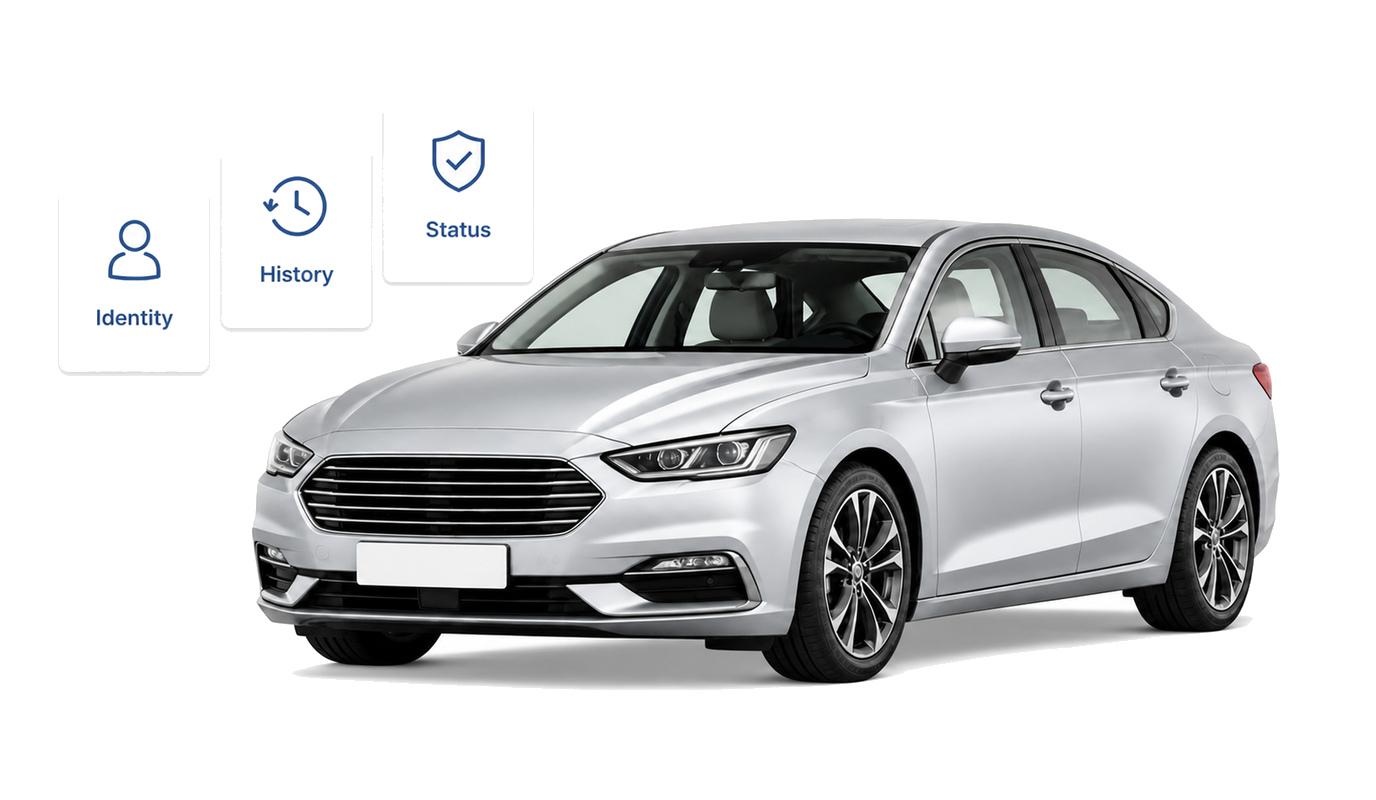
At-a-glance overview: tax, MOT, police record, insurance, finance, import/export status and more.
Run a Check →View a sample reportCommon questions about write off check on Carhealth
An insurance write-off check queries national insurer databases to find out whether a vehicle has ever been declared a total loss (write-off) by an insurance company. When a car is written off, insurers assign a category: Cat A (crush only), Cat B (body crush, parts may be salvaged), Cat S (structural damage, repairable and can return to the road), or Cat N (non-structural damage, repairable and can return to the road). A Carhealth write-off check (from £9.99) reveals which category applies, if any.
There are four UK write-off categories. Category A: the vehicle must be crushed entirely and no parts may be reused. Category B: the bodyshell must be crushed, but non-structural parts may be salvaged. Neither Cat A nor Cat B cars may return to the road. Category S (formerly Cat C): the vehicle has sustained structural damage such as a bent chassis or crumple zone. It can legally return to the road after a qualifying repair, but must be re-inspected. Category N (formerly Cat D): the vehicle has non-structural damage (electrical, cosmetic) and can return to the road after repair. Cat S and Cat N cars must be declared on any future insurance policy and typically carry a lower resale value.
Enter the vehicle's registration plate on the Carhealth homepage and run a full history report (from £9.99). The report includes a write-off check against UK insurer records and tells you the category (if any), the date of the write-off, and whether the car has since been repaired and returned to road. Results arrive in under 60 seconds. Free services like the DVLA vehicle enquiry do not access insurer write-off databases, so you need an accredited provider like Carhealth.
Yes, Cat S and Cat N vehicles can legally be bought, repaired, and driven on UK roads. However, you must disclose the write-off history to your insurer, and the car will typically be worth less than an undamaged equivalent, sometimes significantly so. A Cat S car requires a structural repair inspection before returning to road. Always factor repair costs, ongoing insurance implications, and lower resale value into your purchase decision. Cat A and Cat B cars are a different matter: they must not be driven and should only be sold for parts or scrap.
Yes. If you buy a Cat S or Cat N vehicle, you are legally required to declare its write-off history to your insurer. Failure to do so could invalidate your policy. Insurers typically charge higher premiums for write-off cars, and some insurers may decline to cover them at all. The vehicle's agreed value may also be reduced. Knowing about the write-off before purchase lets you get accurate insurance quotes before committing.
Cat S (structural) means the vehicle suffered damage to its structural components: the chassis, crumple zones, sills or pillars. A qualified repairer must fix these and the vehicle must pass an inspection before returning to road. Cat N (non-structural) means the damage was to non-structural parts: trim, electrical systems, or suspension components that aren't load-bearing. Both are write-offs, both must be declared to insurers, and both typically reduce resale value, but Cat S cars generally have more serious underlying damage and repair costs are typically higher. See our full guides at /cat-s-check and /cat-n-check.